



Indonesia Amid the Storm of Global Geopolitics, ASH Urges Return to a Sovereign Foreign Policy
info Atur ukuran teks artikel ini untuk mendapatkan pengalaman membaca terbaik.
JAKARTA – The escalating conflict in the Middle East between the United States and Iran, increasingly intertwined with the strategic interests of China and Russia, has dramatically reshaped the global geopolitical landscape.
The world appears to be moving toward a new configuration of power that resembles the emergence of competing global blocs.
Amid this turbulent situation, a critical question arises for Indonesia: where does the country stand strategically within the vortex of this growing global conflict?
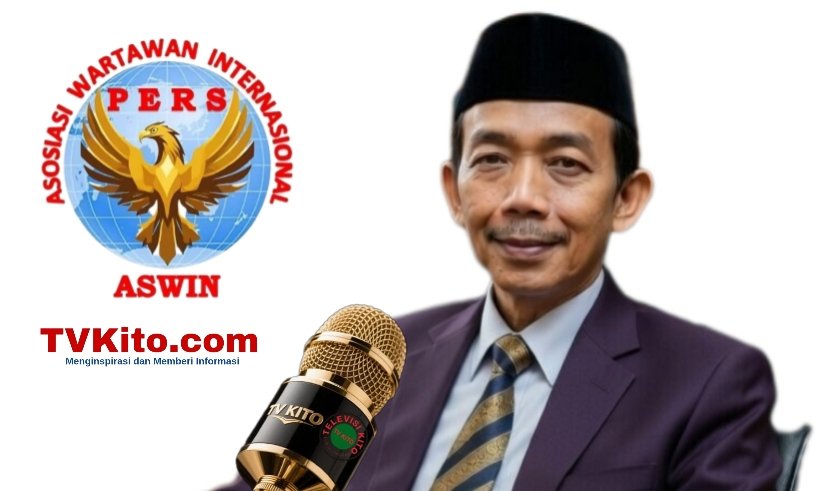
“Amid the storm of global geopolitics, it is time for Indonesia to return to a sovereign and independent foreign policy,” said Aceng Syamsul Hadie, S.Sos., MM.
(ASH), Chairman of the Board of Trustees of the Central Executive Board of ASWIN (International Journalists Association).
According to ASH, Indonesia actually possesses a strong diplomatic foundation through its long-standing foreign policy principle of “free and active diplomacy.” This principle is not merely a historical slogan, but a geopolitical strategy designed by the nation’s founding fathers to ensure that Indonesia would not become trapped in the rivalry of major world powers.
However, today’s geopolitical reality is far more complex than in previous decades. The confrontation involving Washington and Tehran, along with the potential alignment of Beijing and Moscow, signals that the international system may be entering a transition toward a multipolar global order.
“In a situation like this, Indonesia cannot simply remain a passive observer issuing routine diplomatic statements,” ASH explained.
Strategic Steps for Indonesia
ASH outlined several strategic steps Indonesia could take in responding to the evolving global geopolitical dynamics.
First, Indonesia should revive global diplomacy based on solidarity among countries of the Global South.
Historically, Indonesia played a central role in initiating the 1955 Asian-African Conference in Bandung, which promoted anti-colonialism and political independence among developing nations.
According to him, the Bandung Spirit remains highly relevant today, as many developing countries once again face pressure from the strategic rivalry of major powers.
Second, Indonesia should strengthen its multilateral diplomacy through international organizations such as the Organization of Islamic Cooperation (OIC) and the United Nations (UN).
The conflict in the Middle East not only threatens regional stability but also affects the interests of the global Muslim community.
As the country with the largest Muslim population in the world, Indonesia holds strong moral legitimacy to promote a peaceful and just resolution to conflicts in the region.
Third, Indonesia must be cautious not to become entangled in emerging geopolitical blocs.
ASH suggested that Indonesia should withdraw from the Board of Peace (BoP) initiative associated with former U.S. President Donald Trump in order to maintain its neutrality.
“In international relations, countries that align too closely with a single major power often lose their strategic independence. Indonesia must maintain a balanced distance from all global powers,” he said.
Potential Impact on Indonesia
The conflict in the Middle East also carries direct implications for Indonesia’s national interests, particularly in the energy sector and the stability of the global economy.
One of the world’s most critical oil supply routes passes through the Strait of Hormuz. If the conflict escalates and disrupts shipping through this strategic waterway, the consequences could include rising global energy prices and economic instability that would inevitably affect Indonesia.
“Therefore, Indonesia must develop a more visionary geopolitical strategy. The country should not merely react to global crises, but should take initiative in shaping diplomatic efforts that strengthen the position of developing nations in global affairs,” ASH emphasized.
Indonesia’s Strategic Choice
Amid intensifying competition among major world powers, Indonesia faces a strategic choice: to remain merely a spectator on the global geopolitical stage, or to once again play a significant role as a moral and diplomatic force in international politics.
“If Indonesia can revive the Bandung Spirit and uphold a sovereign foreign policy, then even amid the storm of global geopolitics the country will not lose its direction.
Instead, Indonesia can emerge as a balancing force that carries the message of peace and justice to the world,” ASH concluded.
Source: ASH
Editor: Editorial Team(Jun).
Artikel Terkait
-
Srikandi Demokrat Jombang Gelar Halal Bihalal dan Pijat Terapi
- calendar_month Kamis, 2 Apr 2026
- visibility 140
- 0Komentar
JOMBANG – Srikandi Partai Demokrat Kabupaten Jombang menggelar kegiatan halal bihalal yang dirangkaikan dengan pijat terapi, Kamis (2/4/2026), di kantor Srikandi Demokrat yang berlokasi di Jalan Kertarajasa, Gred Wersah D-1, Kepanjen, Jombang. Kegiatan ini dihadiri oleh Ketua DPC Partai Demokrat Jombang, Syarif Hidayatullah, Penasehat Demokrat Hidayatul Nurohmah, Ketua Srikandi Demokrat Yayuk Tya, serta anggota Srikandi […]
-

Wujudkan Lingkungan Ibadah yang Asri, Polres Musi Rawas Gelar Program BELIDA di 10 Gereja
- calendar_month Kamis, 2 Apr 2026
- visibility 77
- 0Komentar
MUSI RAWAS – Menjelang peringatan Hari Raya Paskah 2026, jajaran Polres Musi Rawas menunjukkan kepedulian nyata terhadap kebersihan lingkungan sekaligus memperkuat kerukunan umat beragama. Melalui program BELIDA (Bersih Lingkungan dan Asri), personel kepolisian melaksanakan kegiatan kerja bakti (kurve) serentak di sejumlah gereja di wilayah hukum Polres Musi Rawas, Kamis (2/4/2026) pagi. Kegiatan yang dimulai pukul […]
-
Polsek Lubuk Linggau Timur Tanam Jagung Serentak, Dukung Ketahanan Pangan Nasional
- calendar_month Kamis, 2 Apr 2026
- visibility 82
- 0Komentar
LUBUK LINGGAU – Sinergi antara Kepolisian Republik Indonesia dan sektor pertanian terus diperkuat guna memastikan ketersediaan pangan di tingkat daerah. Pada Kamis (02/4/2026), Kepolisian Sektor (Polsek) Lubuk Linggau Timur melaksanakan Penanaman Jagung Serentak Kuartal II yang dipusatkan di Kelurahan Taba Lestari, Kecamatan Lubuk Linggau Timur I, Kota Lubuk Linggau. Kegiatan tersebut dilaksanakan di lahan produktif […]
-
Kebakaran Sumur Minyak Ilegal di Keluang Kembali Terjadi, Aparat Masih Bungkam
- calendar_month Rabu, 1 Apr 2026
- visibility 143
- 0Komentar
MUBA, SUMSEL – Kebakaran hebat kembali terjadi di lokasi sumur minyak ilegal di kawasan Cobra 1, Kecamatan Keluang, Kabupaten Musi Banyuasin, Selasa malam (31/03/2026) sekitar pukul 21.00 WIB. Peristiwa ini terjadi di area perkebunan kelapa sawit berstatus Hak Guna Usaha (HGU) milik PT Hindoli, yang seharusnya steril dari aktivitas pengeboran ilegal. Berdasarkan informasi yang dihimpun, […]
Rekomendasi Untuk Anda
-
Kapolres Lubuk Linggau Buka Puasa Bersama Insan Pers, JMC Sebelumnya Berbagi Takjil dengan Masyarakat
- calendar_month Senin, 16 Mar 2026
- visibility 27
- 0Komentar
LUBUK LINGGAU – Suasana penuh kebersamaan dan semangat kepedulian mewarnai kegiatan buka puasa bersama yang digelar Kapolres Lubuk Linggau AKBP Adithia Bagus Arjunadi bersama para insan pers di Lobby Mapolres Lubuk Linggau, Jumat (Ramadhan 1447 H). Kegiatan tersebut menjadi momentum mempererat silaturahmi antara jajaran kepolisian dengan para wartawan yang selama ini menjadi mitra strategis dalam […]
-
Polres Lubuk Linggau Tunjukkan Sisi Kemanusiaan, Salurkan Bingkisan untuk Keluarga Tahanan
- calendar_month Rabu, 4 Mar 2026
- visibility 137
- 0Komentar
LUBUK LINGGAU – Suasana di selasar Mapolres Lubuk Linggau pada Selasa (3/3) terasa berbeda dari biasanya. Tak ada ketegangan seperti yang kerap melekat pada lingkungan rumah tahanan. Yang tampak justru gurat keharuan saat jajaran Polres Lubuk Linggau menunjukkan sisi kemanusiaannya. Melalui Kanit 2 SPKT Ipda Jumino yang didampingi langsung oleh Kasat Tahti Iptu Slamet Abadi, […]
-

Rekrutmen KPPS Taba Remanik, Berbau Nepotisme?
- calendar_month Senin, 1 Jan 2024
- visibility 36
- 0Komentar
MUSI RAWAS – Diduga rekrutmen penerimaan seleksi Kelompok Penyelenggara Pemungutan Suara (KPPS) pemilihan umum serentak tahun 2024 di Desa Taba Remanik, Kecamatan Selangit diduga ganjil. Berdasarkan informasi berhasil di himpun awak media dilapangan, bahwa yang lolos tahap seleksi itu dari keluarga Ketua PPS dan Kades, artinya ada apa? Berbau Nepotisme? Tentunya patut diduga ada permainan, […]
-
Kejagung Periksa Mantan Kepala SKK Migas, Melengkapi Penyidikan Dugaan Korupsi Tata Kelola Minyak Mentah
- calendar_month Selasa, 21 Okt 2025
- visibility 42
- 0Komentar
JAKARTA,tvkito.com, – Kejaksaan Agung (Kejagung) memeriksa mantan Kepala Satuan Kerja Khusus Pelaksana Kegiatan Usaha Hulu Minyak dan Gas Bumi (SKK Migas) berinisial DS. DS Diperiksa terkait kasus tata kelola minyak mentah dan produksi kilang di Pertamina DS diperiksa Tim Jaksa Penyidik pada Jaksa Agung Muda Bidang Tindak Pidana Khusus (JAM PIDSUS) pada Senin, […]
-

Rachmat Hidayat Optimis Olahraga Sepakbola di Lubuk Linggau Bisa Berkiprah, Komitmen Siapkan Lapangan Berstandar Resmi
- calendar_month Kamis, 4 Sep 2025
- visibility 43
- 0Komentar
LUBUK LINGGAU,tvkito.com,Kamis 04/09/2025, – Wali Kota Lubuk Linggau, Rachmat Hidayat bertekad membangkitkan semangat Olahraga Sepak Bola sehingga dapat berkiprah capai prestasi. Dia menegaskan bahwa Pemkot Lubuk Linggau berkomitmen menyiapkan Lapangan Sepak Bola berstandar resmi untuk menunjang kegiatan olahraga. Menurutnya, fasilitas yang memadai sangat penting untuk melahirkan atlet-atlet berprestasi. “Saya yakin dan percaya […]
-
Jaga Kebugaran dan Kebersamaan, Satbrimob Polda Sumsel Batalyon B Pelopor Bersama Bhayangkari Gelar Senam Bersama
- calendar_month Jumat, 30 Jan 2026
- visibility 144
- 0Komentar
LUBUKLINGGAU,30 Januari 2026, — Upaya menjaga kebugaran fisik sekaligus memperkuat kebersamaan terus dilakukan oleh Satbrimob Polda Sumatera Selatan Batalyon B Pelopor. Salah satunya melalui kegiatan senam bersama yang digelar di Markas Komando Batalyon B Pelopor, Jumat pagi (30/01/2026), dengan melibatkan personel dan Bhayangkari. Kegiatan olahraga bersama tersebut berlangsung meriah dan penuh semangat. Seluruh personel Batalyon […]