




The Blood of Indonesian Soldiers in Lebanon A Test of Indonesia’s Dignity on the World Stage By Aceng Syamsul Hadie (ASH)
info Atur ukuran teks artikel ini untuk mendapatkan pengalaman membaca terbaik.
JAKARTA — The deaths of three Indonesian National Armed Forces (TNI) soldiers during a peacekeeping mission in Lebanon are not merely tragic news.
They represent a stark warning for Indonesia’s sovereignty and national dignity.
Three soldiers lost their lives, while three others were injured.
The tragedy is deeply heartbreaking—Indonesia’s sons fell under the banner of the United Nations Interim Force in Lebanon (UNIFIL), a mission that is meant to ensure peace and security, not become a field of death.
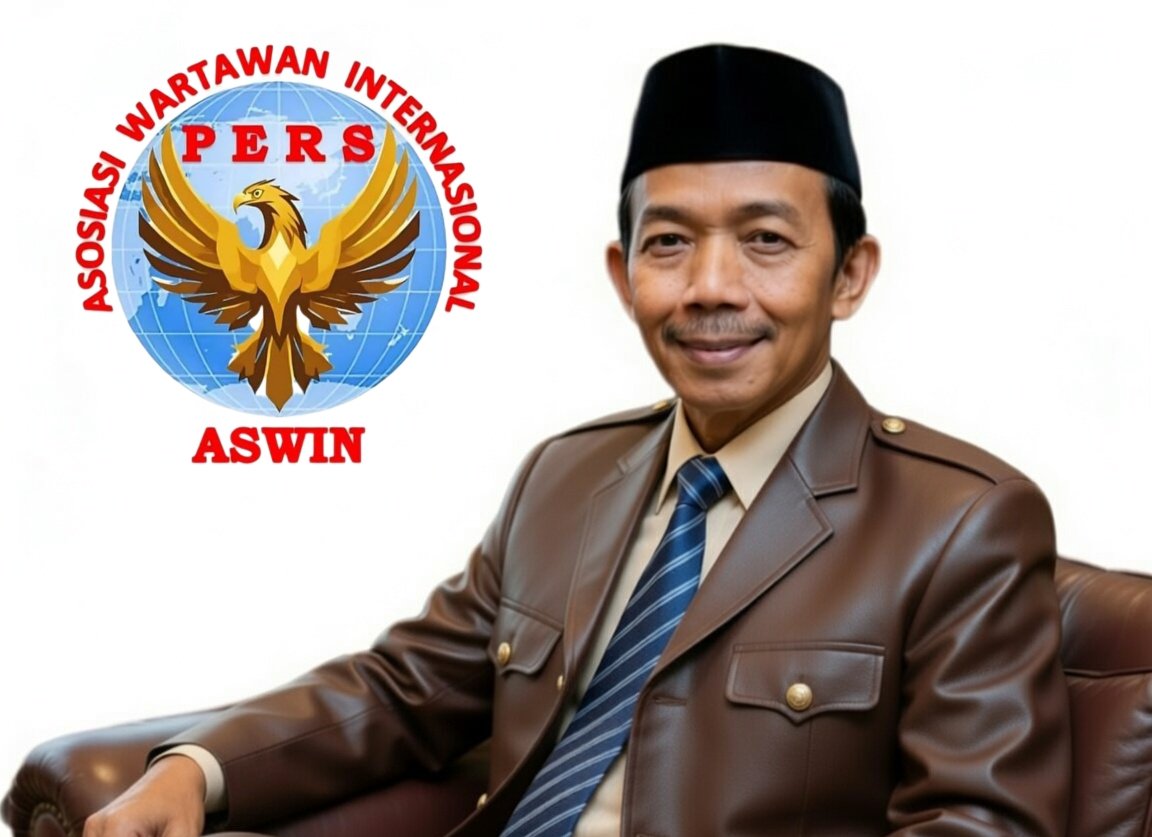
“This incident is a test of Indonesia’s dignity on the world stage—whether we remain passive spectators or rise to assert our strength,” said Aceng Syamsul Hadie, S.Sos., M.M. (ASH), Chairman of the Board of Trustees of DPP ASWIN (International Journalists Association).
ASH stressed that Indonesia must no longer take refuge behind the term “operational risk.” Repeated attacks on peacekeeping forces should not be normalized.
“If such incidents continue to occur, this is no longer risk—it is a failure of the international security system. It reflects weak protection, unclear mandates, and the inability of the United Nations to confront the realities of conflict,” he stated.
According to him, normative statements such as “strong condemnation,” often delivered by UN officials, are no longer sufficient.
The global community requires concrete action, not empty diplomatic rhetoric.
“Without clear identification of perpetrators and real accountability, every condemnation becomes nothing more than a hollow diplomatic formality,” he added.
ASH further emphasized that Indonesia must not position itself as a passive observer in global crises. As one of the largest contributors to UN peacekeeping forces, Indonesia deserves stronger guarantees.
“Contribution without protection is injustice. Sending our soldiers into high-risk zones without maximum security assurances is not diplomacy—it is unilateral sacrifice,” he asserted.
He also highlighted that the conflict in Lebanon cannot be separated from the broader geopolitical dynamics, including the influence of major powers such as Israel and the United States.
In this context, ASH argued that Indonesia must adopt a firm and transparent stance, particularly in addressing potential violations of international law.
“Maintaining diplomatic relations must not come at the expense of national dignity. Firmness is what earns respect—not silence,” he said.
ASH outlined several urgent steps that the Indonesian government should take:
First, push for an independent and transparent international investigation to ensure accountability.
Second, conduct a comprehensive evaluation of Indonesia’s troop deployment in conflict zones, including security standards, operational mandates, and emergency evacuation systems.
Third, consider a temporary withdrawal of troops from high-risk areas if safety cannot be guaranteed.
“The lives of Indonesian soldiers are not bargaining tools in global diplomacy. They are symbols of national honor.
Every drop of blood shed is the responsibility of the state,” he emphasized.
ASH concluded that this tragedy must serve as a turning point for Indonesia’s role on the global stage.
“Indonesia must no longer stand as a complementary actor. We must become a nation that shapes direction—even if it means speaking firmly against major powers,” he said.
“If not, then we must admit—we have failed to uphold the honor of those who have fallen. And that is a failure that cannot be redeemed.”(Tim Redaksi).
Artikel Terkait
-
Srikandi Demokrat Jombang Gelar Halal Bihalal dan Pijat Terapi
- calendar_month Kamis, 2 Apr 2026
- visibility 141
- 0Komentar
JOMBANG – Srikandi Partai Demokrat Kabupaten Jombang menggelar kegiatan halal bihalal yang dirangkaikan dengan pijat terapi, Kamis (2/4/2026), di kantor Srikandi Demokrat yang berlokasi di Jalan Kertarajasa, Gred Wersah D-1, Kepanjen, Jombang. Kegiatan ini dihadiri oleh Ketua DPC Partai Demokrat Jombang, Syarif Hidayatullah, Penasehat Demokrat Hidayatul Nurohmah, Ketua Srikandi Demokrat Yayuk Tya, serta anggota Srikandi […]
-

Wujudkan Lingkungan Ibadah yang Asri, Polres Musi Rawas Gelar Program BELIDA di 10 Gereja
- calendar_month Kamis, 2 Apr 2026
- visibility 78
- 0Komentar
MUSI RAWAS – Menjelang peringatan Hari Raya Paskah 2026, jajaran Polres Musi Rawas menunjukkan kepedulian nyata terhadap kebersihan lingkungan sekaligus memperkuat kerukunan umat beragama. Melalui program BELIDA (Bersih Lingkungan dan Asri), personel kepolisian melaksanakan kegiatan kerja bakti (kurve) serentak di sejumlah gereja di wilayah hukum Polres Musi Rawas, Kamis (2/4/2026) pagi. Kegiatan yang dimulai pukul […]
-
Polsek Lubuk Linggau Timur Tanam Jagung Serentak, Dukung Ketahanan Pangan Nasional
- calendar_month Kamis, 2 Apr 2026
- visibility 82
- 0Komentar
LUBUK LINGGAU – Sinergi antara Kepolisian Republik Indonesia dan sektor pertanian terus diperkuat guna memastikan ketersediaan pangan di tingkat daerah. Pada Kamis (02/4/2026), Kepolisian Sektor (Polsek) Lubuk Linggau Timur melaksanakan Penanaman Jagung Serentak Kuartal II yang dipusatkan di Kelurahan Taba Lestari, Kecamatan Lubuk Linggau Timur I, Kota Lubuk Linggau. Kegiatan tersebut dilaksanakan di lahan produktif […]
-
Kebakaran Sumur Minyak Ilegal di Keluang Kembali Terjadi, Aparat Masih Bungkam
- calendar_month Rabu, 1 Apr 2026
- visibility 143
- 0Komentar
MUBA, SUMSEL – Kebakaran hebat kembali terjadi di lokasi sumur minyak ilegal di kawasan Cobra 1, Kecamatan Keluang, Kabupaten Musi Banyuasin, Selasa malam (31/03/2026) sekitar pukul 21.00 WIB. Peristiwa ini terjadi di area perkebunan kelapa sawit berstatus Hak Guna Usaha (HGU) milik PT Hindoli, yang seharusnya steril dari aktivitas pengeboran ilegal. Berdasarkan informasi yang dihimpun, […]
Rekomendasi Untuk Anda
-
Terkait PBB-P2 Naik, Wako Rachmat Hidayat Luncurkan ‘Promo Kemerdekaan’ Hapuskan Beban Dibawah Rp150 Ribu
- calendar_month Jumat, 5 Sep 2025
- visibility 34
- 0Komentar
LUBUK LINGGAU,tvkito.com, – Gencarnya penentangan masyarakat berbagai daerah terhadap kenaikan Pajak Bumi dan Bangunan (PBB) juga terjadi di Kota Lubuk Linggau. Namun demikian kenaikan PBB-P2 di Kota Lubuk Linggau didasarkan pada penyesuaian Zona Nilai Tanah (ZNT), sesuai dengan Undang-Undang Nomor 1 Tahun 2022 tentang Hubungan Keuangan antara Pemerintah Pusat dan Daerah. Hal ini […]
-
KPU Sahkan Hasil Pilpres di Kuala Lumpur, Paslon 02 Prabowo-Gibran Unggul
- calendar_month Senin, 18 Mar 2024
- visibility 38
- 0Komentar
JAKARTA – KPU mengesahkan perolehan suara pilpres 2024 di Kuala Lumpur, Malaysia. Paslon Prabowo-Gibran unggul. Ketua KPU Hasyim Asy’ari mengatakan jumlah penggunaan surat suara pemilu presiden dan wakil presiden sudah cocok dengan jumlah pemilih yang hadir ke tempat pemungutan suara (TPS) serta jumlah suara sah dan tidak sah, yakni sebanyak 12.357 lembar. “Bisa kita sahkan […]
-
Puasa dan Krisis Integritas Elit Politik Oleh: Aceng Syamsul Hadie (ASH)
- calendar_month Sabtu, 7 Mar 2026
- visibility 79
- 0Komentar
Setiap bulan Ramadhan, masyarakat Indonesia menyaksikan peningkatan aktivitas religius yang sangat signifikan. Masjid-masjid dipenuhi jamaah, ceramah keagamaan digelar di berbagai tempat, dan simbol-simbol kesalehan tampak semakin dominan di ruang publik. Namun di balik atmosfer spiritual tersebut, muncul sebuah pertanyaan mendasar yang layak diajukan secara kritis: apakah puasa benar-benar mampu membentuk integritas moral dalam kehidupan sosial […]
-
Gelar Upacara Hari Sumpah Pemuda ke-97, Polres Musi Rawas Ajak Pemuda Jaga Keutuhan Bangsa
- calendar_month Rabu, 29 Okt 2025
- visibility 22
- 0Komentar
MUSI RAWAS,tvkito.com, -Kapolres Musi Rawas (Mura), AKBP Agung Adhitya Prananta, SH, SIK, MH, diwakili, Wakapolres, Kompol Hendri SH, menghadiri Upacara Peringatan Hari Sumpah Pemuda ke-97 Tahun 2025, dihalaman apel Kantor Bupati Mura, Selasa (28/10/2025). Upacara Peringatan Hari Sumpah Pemuda ke-97 Tahun 2025, mengusung tema, “Pemuda Pemudi Bergerak, Indonesia Bersatu”. Hadir dalam upacara tersebut, Wakil Bupati […]
-
Diduga Puluhan Wanita di Lubuk Linggau Tertipu Arisan dan Investasi Bodong
- calendar_month Selasa, 4 Nov 2025
- visibility 50
- 0Komentar
LUBUK LINGGAU, tvkito.com,Selasa 04/11/2025, – Puluhan wanita di Kota Lubuk Linggau diduga menjadi korban investasi dan arisan bodong. Tercatat sedikitnya 63 ibu-ibu dari berbagai daerah seperti Lubuk Linggau, Sekayu, dan Baturaja mengalami kerugian hingga miliaran rupiah. Kedua terduga pelaku, pasangan suami istri berinisial R dan N, merupakan warga Kelurahan Tanjung Raye, Kecamatan Lubuk Linggau Utara […]
-
Geger Keracunan MBG Bandung Barat, Ketua Dewan Pembina ASWIN Meminta Ketiga Dapur SPPG Disanksi Berat dan Ditutup Permanen.
- calendar_month Jumat, 26 Sep 2025
- visibility 52
- 0Komentar
BANDUNG,tvkito.com , Jumat 26/09/2025, – Ada 3 (tiga) dapur SPPG di Bandung Barat menjadi penyebab keracunan massal: dua di Cipongkor (Dapur SPPG Makmur Jaya dan Neglasari) dan satu di Cihampelas (Dapur SPPG Mekarmukti). Ketiga dapur SPPG di Bandung Barat menjadi “klaster” dalam kasus keracunan massal. “Kejadian keracunan MBG di Bandung Barat ini merupakan […]