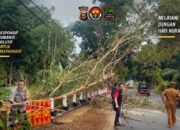
MAJALENGKA, INDONESIA – Illegal pine resin tapping activities in the Mount Ciremai National Park (TNGC) area have drawn serious concern, with experts warning that the practice constitutes an ecological crime rather than a mere administrative violation.
Aceng Syamsul Hadie (ASH), Chairman of the Board of Trustees of the International Journalists Association (DPP ASWIN), stated that the activity poses a direct threat to environmental sustainability, conservation forest functions, and state interests.
“This is an ecological crime that must not be tolerated, especially given strong indications that the illegal tapping is being carried out massively, systematically, and with deliberate neglect,” ASH said.
Mount Ciremai, designated as a conservation area, is subject to strict protection regulations. Any utilization of natural resources within the park must adhere to the precautionary principle and obtain official permits.
However, findings on the ground indicate that tapping activities are ongoing without a valid legal basis.
The Mount Ciremai National Park Authority itself has confirmed that no formal Cooperation Agreement (PKS) permits have been issued.
“This clearly means that all ongoing tapping activities are illegal,” ASH emphasized.
From a legal standpoint, the practice potentially violates Law No. 32 of 2024 on Environmental Protection and Law No. 18 of 2013 on Forest Protection, both of which prohibit the exploitation of natural resources in conservation and state forest areas without proper authorization.
Violators may face criminal penalties, including imprisonment and substantial fines.
ASH further noted that if evidence emerges of deliberate negligence by officials or illicit profit flows within the network, the case could escalate into allegations of maladministration and corruption.
From an ecological perspective, the consequences are equally alarming. Improper tapping methods can damage the living tissues of pine trees, accelerate forest degradation, and disrupt ecosystem balance.
“In the long term, this may impair hydrological functions, increase the risk of landslides and drought, and cause systemic environmental damage,” he explained.
ASH also revealed that an investigative team has been formed to trace the network behind the illegal activities.
He warned that the presence of organized patterns suggests the practice is no longer sporadic but has evolved into a structured operation exploiting weak oversight and policy gaps.
“If this is allowed to continue, it risks normalizing environmental crime.
This is a real test of the state’s commitment to environmental protection. If not addressed seriously, not only the forest will collapse—but the authority of the law itself,” he concluded.
Source: ASH
Editor: Editorial Team